Case study
Climate diplomacy
Three COPs, two delegations, and an address to the International Court of Justice.
The problem
The islands that feel climate change first are usually the last to be heard in the rooms where it is negotiated. I grew up on one of them.
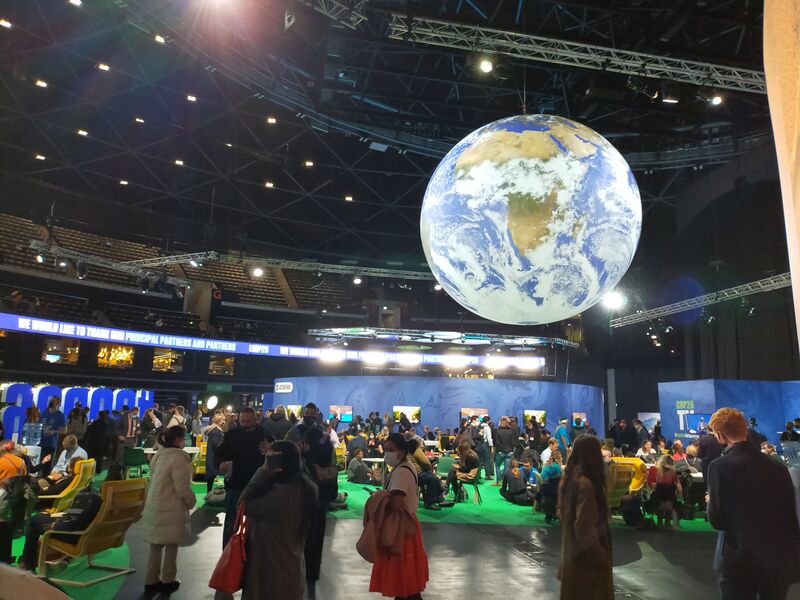
So I went to the conferences, not as a spectator but with delegations that had something at stake.
What I did
- Spoke and presented with the Kolektivo delegation at COP26 in Glasgow (2021).
- Spoke and presented with the EU Delegation at COP27 in Sharm El-Sheikh (2022).
- Attended COP30 in Belém with the European Network Against Racism (ENAR) delegation (2025).
- Addressed the International Court of Justice in The Hague in 2024, in the largest climate case in history.
- Curated, co-organised and hosted the Reclaiming Climate Justice Summit for Systemic Justice.
What changed
Across three COPs I did the same thing in different rooms: put island realities into the conversation in the first person, and translate them into the language negotiators actually use.
At the ICJ the register changed. A court address is not a panel. You are speaking to a legal record that will outlast the conference cycle.
What it taught me
Climate policy is written in language. Islands live it in weather.
The work is not to be the loudest voice in the room. It is to make sure the smallest places are not edited out of the text.
Working on something like this?
I take on a small number of advisory engagements at a time, so I can do them properly.